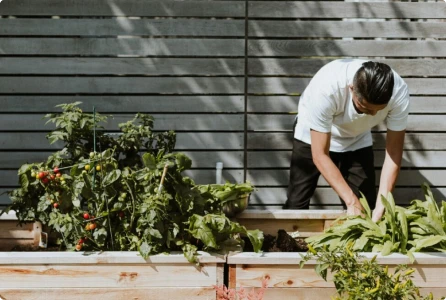
Enjoying time in the garden is wonderful, but dealing with back pain afterward? Not so much. It’s a common problem, especially when bending and reaching for plants. Fortunately, there are some easy tricks you can use to keep your back feeling great while you tend to your garden. In this blog, we’ll share simple tips and techniques to help you enjoy gardening without the aches and pains.
Warm Up Before Gardening
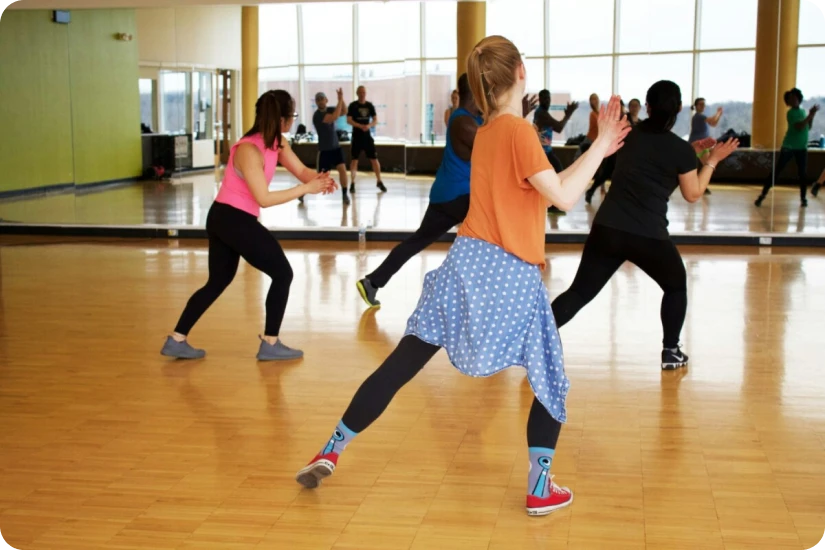
A short, brisk walk or other aerobic activity can prepare your body for gardening. Additionally, movement-specific exercises can further ready your body for the tasks at hand. Examples include touching your toes ten times, rotating your spine ten times, or performing ten bodyweight squats. These motions mimic common gardening movements and can help prevent injury.
Lift and Carry Properly
If your gardening involves hauling heavy materials, use a wheelbarrow or wagon to transport them safely. For lighter loads, lift with proper body mechanics: bend your knees and hips before lifting, and carry objects close to your body. These strategies reduce strain on your lower back and neck.
Use the Right Tools and Form
When raking, shoveling, or hoeing, use tools of appropriate length to avoid straining your back or other body parts. Keep tools in front of your body to minimize twisting. Think “shovel straight ahead” and “rake towards your body.” If your knees get sore while on the ground, use a kneeling pad for cushioning. If getting up and down is difficult, consider a small stool or garden kneeler to sit on or assist you in standing.
Switch Directions and Tasks
Repetitive movements like shoveling, raking, or hoeing can lead to strain. Frequently switch hand placements and perform movements in the opposite direction. For example, break up ten scoops or pulls in one direction with three to five scoops or pulls in the opposite direction. Switching tasks entirely can also help. For instance, shovel for a few minutes, then pull weeds for a few minutes before returning to shoveling. If bending over for a long time, stand up and do a few back bends to reverse the motion.
Build Up Your Endurance and Take Breaks
If it’s your first time gardening for the year, avoid spending six hours straight in the garden. Gradually increase your gardening time to build endurance and avoid injury. For example, garden for one hour, take a 30-minute break, then garden for another hour. If you feel fine the next day, add another 15-30 minutes to each gardening segment. This gradual progression will help improve your endurance without causing pain.
Stay Hydrated
Always have water or an electrolyte beverage on hand to stay hydrated. Avoid excessively sugary drinks, especially on warmer days, as they can increase your risk of dehydration. Proper hydration is crucial as our bodies are more susceptible to aches and pains when dehydrated.
Protect Yourself from the Sun
Sun protection is related to hydration since the sun can speed up dehydration. Use sunscreen, wear hats, and opt for lightweight long sleeves to protect yourself from the sun.
If you have any questions or concerns about your physical capability and safety while gardening or any other recreational activity, feel free to reach out to your local Total Balance for guidance or advice!