Getting older comes with changes, but becoming less active doesn’t have to be one of them.
As we age, it’s normal to experience changes in muscle strength, balance, bone density, mobility, reaction time, and even vision. While these changes can affect how we move and increase the risk of falls or injuries, staying active can make a meaningful difference.
Regular exercise, strength training, and physical therapy can help you maintain your mobility, protect your bones, improve your balance, and continue doing the activities that matter most to you.
What Happens to Our Bodies as We Age?
Aging can affect several systems that work together to keep us moving safely and confidently.
Muscles may gradually become weaker, balance can become more challenging, and bone mineral density may decrease. Reaction time can also slow, while changes in vision may make it more difficult to judge depth, see contrast, or recognize obstacles.
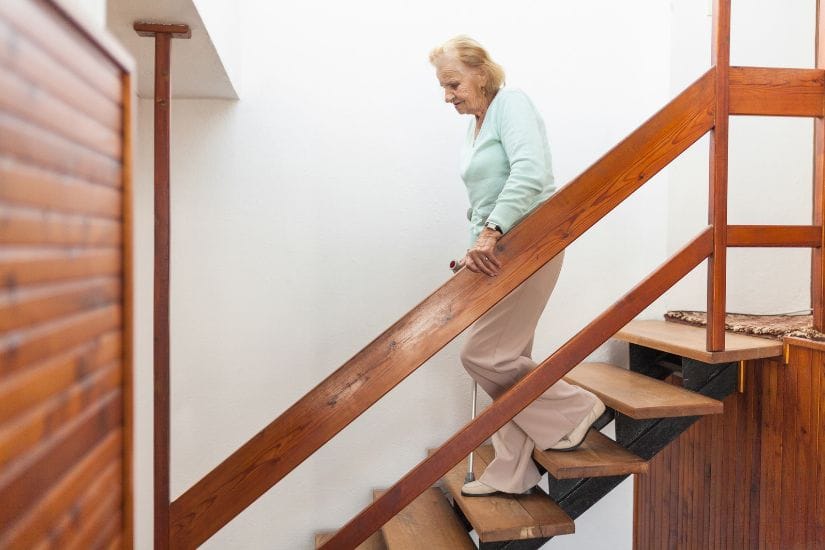
Age-related muscle loss, known as sarcopenia, can make everyday activities such as walking, climbing stairs, lifting objects, and maintaining your balance more difficult.
The good news is that movement can help.
Staying physically active can help you:
- Maintain strength and mobility
- Improve balance
- Support healthy bones
- Reduce your risk of falls
- Maintain your independence
- Continue participating in the activities you enjoy
Why Bone Health Becomes More Important With Age
Your bones aren’t simply a fixed structure. Bone is living tissue that continually rebuilds and changes throughout your life.
As you get older, bone density may gradually decrease, particularly if you become less active. When enough bone mineral is lost, it can lead to osteopenia or osteoporosis.
Osteopenia is an early stage of bone loss in which bone density is lower than normal. Osteoporosis involves more significant bone loss, leaving bones weaker and more fragile and increasing the risk of fractures.
Supporting your bone health is one more reason to stay active. Weight-bearing exercise, strength training, good nutrition, and an active lifestyle can all help support strong, healthy bones.
Strong bones aren’t only about preventing fractures. They help support your posture, mobility, and ability to remain independent. Healthy bones and muscles make it easier to keep walking, traveling, working around the house, spending time with family, and doing the activities you enjoy.
Your Muscles, Bones, and Balance Work as a Team
Think of your body as one big team.
Your muscles provide strength, helping you stand, walk, climb stairs, lift objects, and perform everyday activities.
Your bones provide support, giving your body structure and protecting important organs.
Your balance system provides stability, helping you stay steady, adjust to changes around you, and prevent falls.
When one part of the team becomes weaker, everyday movement can become more difficult. That’s why a well-rounded approach to exercise is so important as you age.
How Much Exercise Should Older Adults Get?
The American College of Sports Medicine recommends incorporating several different types of movement into your routine.
Aerobic exercise: Aim for approximately 150–300 minutes of moderate-intensity activity per week or 75–150 minutes of vigorous activity. Walking, biking, swimming, and dancing are all examples.
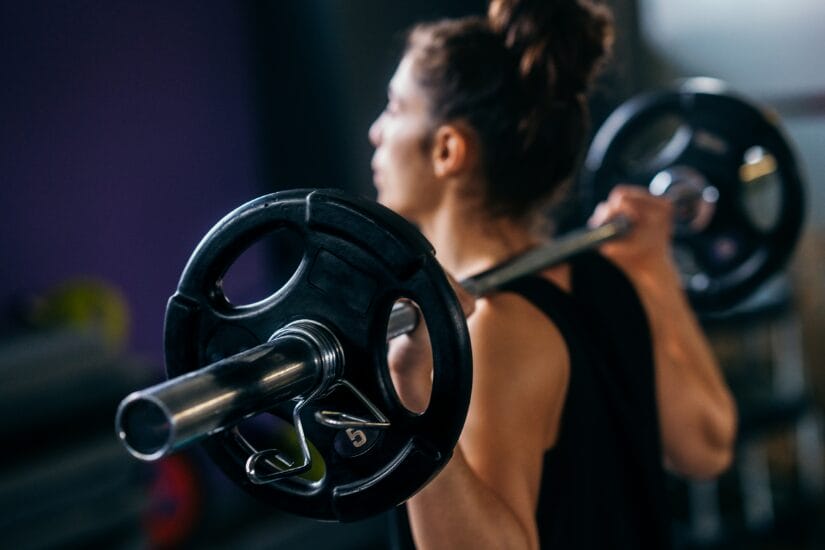
Strength training: Include strength exercises at least two days per week and work all major muscle groups. Exercises should challenge your muscles and gradually become more challenging as you get stronger. Weights, resistance bands, squats, and chair stands can all be used.
Flexibility: Stretch major muscle groups at least two to three days per week to help maintain flexibility and range of motion.
Balance: Incorporate balance exercises two to three or more days per week, especially if you are at an increased risk of falling. This could include standing on one leg, heel-to-toe walking, tai chi, or other functional balance exercises.
You don’t have to complete all of your exercise at once, either. Think of movement as an “exercise snack.” Even five or ten minutes of activity throughout your day is a place to start. Over time, you can gradually build toward longer periods of activity.
Train for the Movements You Use Every Day
Exercise doesn’t have to be about lifting the heaviest weight or running the fastest mile. One of the most valuable reasons to exercise is to make everyday life easier.
Eight basic movement patterns show up again and again in daily activities:
1. Squat — Sit down and stand up
Squatting helps prepare you for getting out of a chair, sitting on the toilet, getting into your car, or reaching something on a lower shelf. Chair squats are a simple way to practice this movement.
2. Hinge — Bend from your hips
A hip hinge is used when picking something up from the floor, gardening, loading the dishwasher, or getting laundry out of a basket.
3. Push — Push something away
You use pushing strength when opening a heavy door, pushing yourself up from a chair, using a shopping cart, or putting something onto a shelf. Wall push-ups are one way to strengthen this movement.
4. Pull — Bring something toward you
Pulling is involved in opening drawers, closing doors, pulling weeds, and moving groceries toward you. Resistance-band rows can help strengthen the muscles used for these tasks.
5. Lunge — Step and lower
This movement helps with climbing stairs, stepping onto a curb, getting into a bathtub, and reaching while taking a step. Supported lunges or step-ups can help you practice it.
6. Carry — Carry what life gives you
Groceries, laundry, suitcases, and gardening supplies all require you to carry something while walking. Carrying exercises can simultaneously challenge your grip, strength, posture, and walking.
7. Rotate — Turn and reach
Rotation helps you look behind yourself while driving, reach into the back seat, grab something from a counter, or swing a golf club.
8. Brace — Protect and stabilize
Your core helps stabilize your body as you move. You use this ability when lifting a box, carrying groceries, standing from a chair, or catching yourself if you stumble.
These movements highlight an important point: the goal of movement isn’t just exercise. It’s being able to keep doing what matters to you.
Don’t Forget About Balance and Fall Prevention
Falls become a greater concern as we age because several systems involved in maintaining balance can change at the same time.
Strength, vision, reaction time, medications, your environment, and your overall balance can all affect your fall risk.
Building strength and practicing balance activities can help your body become better prepared to respond to everyday challenges. This is also an area where working with a physical therapist can be especially beneficial.
How Physical Therapy Can Help You Stay Active
There isn’t one exercise program that’s right for everyone.
A physical therapist can assess your current movement, strength, balance, and walking mechanics and develop an individualized exercise program based on your fitness level, previous injuries, medical conditions, and personal goals.
Physical therapy may focus on areas including:
- Pain management
- Strength
- Balance
- Walking mechanics
- Fall prevention
- Education
When appropriate exercise and physical therapy are combined, they can help improve overall strength, walking, balance, confidence, and independence while reducing fall risk.
Start Small and Stay Consistent
You don’t need to completely change your lifestyle overnight to benefit from movement.
Start with five or ten minutes and gradually build from there. Look for opportunities to incorporate small “exercise snacks” throughout your day, whether that’s doing a few sit-to-stands, marching in place, performing calf raises, or going for a walk.
Try to incorporate a combination of resistance training, aerobic exercise, balance, and flexibility into your routine. Nutrition, sleep, and hydration are also important pieces of supporting your overall health.
Most importantly, give yourself time. Building strength and improving your fitness takes consistency.
Movement isn’t just about completing a workout. It’s about maintaining the strength, confidence, and independence to continue living your life.
Whether that means carrying your own groceries, playing with your grandchildren, traveling, gardening, walking with friends, or simply getting out of your favorite chair with confidence, staying active today can help you keep doing what matters to you tomorrow.
Ready to Keep Moving?
Total Balance Physical Therapy & Fitness offers physical therapy, personal training, fitness options, SilverSneakers, and 24-hour gym access to help you stay active at every stage of life.
If pain, weakness, balance concerns, or changes in mobility are making it harder to stay active, our physical therapists can help you find a safe, individualized path forward.