Feeling a little less steady on your feet than you used to? Maybe you’ve caught yourself reaching for the wall, avoiding certain activities, or worrying more about falling.
Changes in balance can happen for many reasons, but falling is not simply an inevitable part of getting older. Understanding what affects your balance—and taking steps to improve it—can help you stay active, confident and independent.
What Helps You Stay Balanced?
Balance is more complex than simply being able to stand on one foot. Your body relies on several systems working together to understand where you are and keep you upright.
Three major components play a role:
- Your visual system helps you see your surroundings and orient yourself.
- Your vestibular system, located in the inner ear, helps with balance and spatial orientation.
- Your somatosensory system uses information from your skin, muscles and joints to help your brain understand your body’s position.
When one or more of these systems isn’t working as effectively, staying balanced can become more difficult.
Signs Your Balance May Need Some Attention
Balance problems don’t always begin with a fall. There may be smaller signs that something has changed.
You may experience dizziness or a spinning sensation, feel unsteady while walking, feel like you might fall, or find yourself relying more on furniture, a cane or another source of support. Some people also begin having more difficulty getting around their home or community.
These changes are worth paying attention to—especially if they’re causing you to limit activities you used to enjoy.
What Causes Balance Problems?
There isn’t one single cause of poor balance. In fact, several factors may be contributing at the same time.
Age-related changes can affect vision, the vestibular system, sensation and muscle strength. Health conditions such as neurological disorders or diabetes can also affect balance, as can vestibular conditions such as benign paroxysmal positional vertigo (BPPV or commonly known as vertigo). A sudden drop in blood pressure when standing can contribute to dizziness or unsteadiness as well.
Other factors can be surprisingly simple. Certain medications may cause dizziness or drowsiness, while poor lighting, clutter in the home, inappropriate footwear, vision problems and hearing loss can all make it harder to safely navigate your environment.
That’s why identifying why you’re having difficulty with balance is so important.
Don’t Let Fear of Falling Keep You From Moving
One common misconception is that staying home or becoming less active is the safest option when you’re worried about falling. But avoiding activity isn’t necessarily the answer.
Instead, the goal should be to understand your individual risk factors and find safe ways to maintain or improve your strength, mobility and balance.
Why Fall Prevention Matters
Falls can have a significant impact on an older adult’s health and independence. More than 1 in 4 adults age 65 and older falls each year in the United States, and about 1 in 10 falls results in an injury serious enough to restrict activity or require medical attention.
The good news is that there are steps you can take before a fall happens.
Building better balance starts with determining your current balance and fall risk, identifying underlying causes of unsteadiness, making your home environment safer and developing a plan for long-term success.
How Physical Therapy Can Help Improve Balance
If you’re feeling unsteady, physical therapy can help determine what’s contributing to the problem rather than taking a one-size-fits-all approach.
A physical therapist can complete a full balance assessment to look at areas such as strength and mobility. They can also help determine whether another healthcare provider should be involved—for example, if medications, blood pressure or another health condition may be contributing to your symptoms.
From there, your physical therapist can identify safe, effective exercises to work on at home and challenge your balance in a controlled environment so you can gradually build your abilities and confidence.
Small Changes at Home Can Make a Difference
Improving balance isn’t only about exercise. Your environment matters, too.
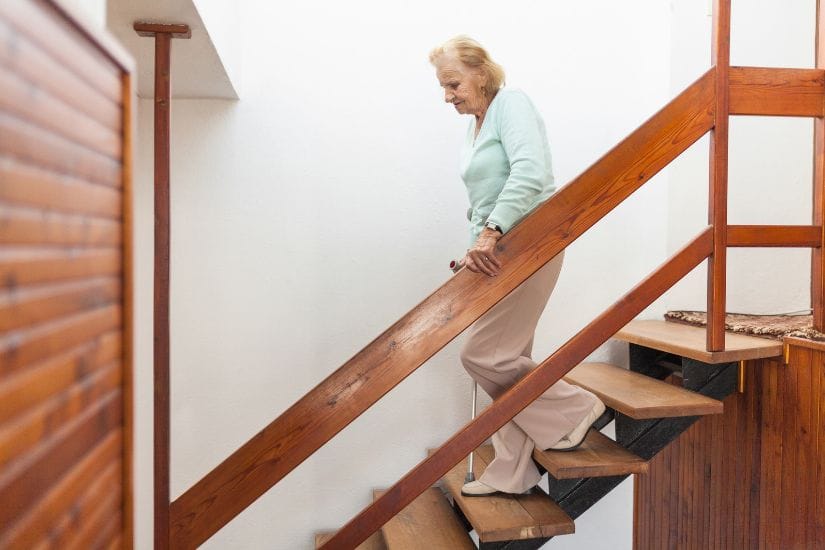
Simple changes such as installing grab bars in the bathroom, improving lighting in hallways and staircases, and removing loose rugs or clutter can make your home easier to navigate. If you use a cane or walker, it’s also important that the device is properly sized and used consistently.
Take the First Step Toward Feeling Steadier
You don’t have to wait until you’ve had a fall to start working on your balance.
If you’ve noticed increased unsteadiness, dizziness, difficulty walking or a fear of falling, a physical therapy evaluation can help identify what’s contributing to the problem and what you can do about it.
The physical therapists at Total Balance can assess your balance, identify areas that may be putting you at risk and create an individualized plan to help you move more safely and confidently.
Ready to feel steadier on your feet? Contact us to schedule a physical therapy evaluation at one of our Fargo-Moorhead area locations.