The Benefits of Pelvic Floor Physical Therapy
Do you have pain in the pelvic region?
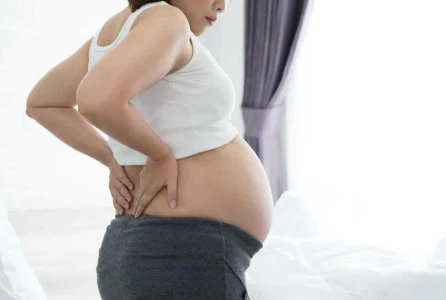
Are you dealing with issues post-partum such as back pain, incontinence, diastasis recti?
Do you struggle with incontinence?
Here is how physical therapy can help…
Pelvic floor physical therapy is a specialized area treating pelvic conditions in women and men. This is a sensitive area where problems can arise. We strive to meet these unique needs across the lifespan. With specialized training, physical therapists focus on identifying and treating musculoskeletal issues of the pelvic region that can impact a person’s quality of life. The goal is to decrease pain and improve function.
With proper examination and evaluation, a pelvic health physical therapist can help reduce pain, improve function, and enhance your quality of life associated with weak or damaged pelvic floor muscles due to childbirth, aging, or illness. With physical therapy, we can help you retrain and strengthen your pelvic floor muscles as well as reduce pain associated with pelvic floor conditions.
Pelvic floor physical therapy can help with:
- accidental leakage of urine when coughing, sneezing, laughing, or exercising
- urinary urgency/frequency
- pain in pelvic region
- pre- and post-partum related issues including back pain, diastasis recti, and sciatica